The Importance of Annual Inspections with Termite Control Services
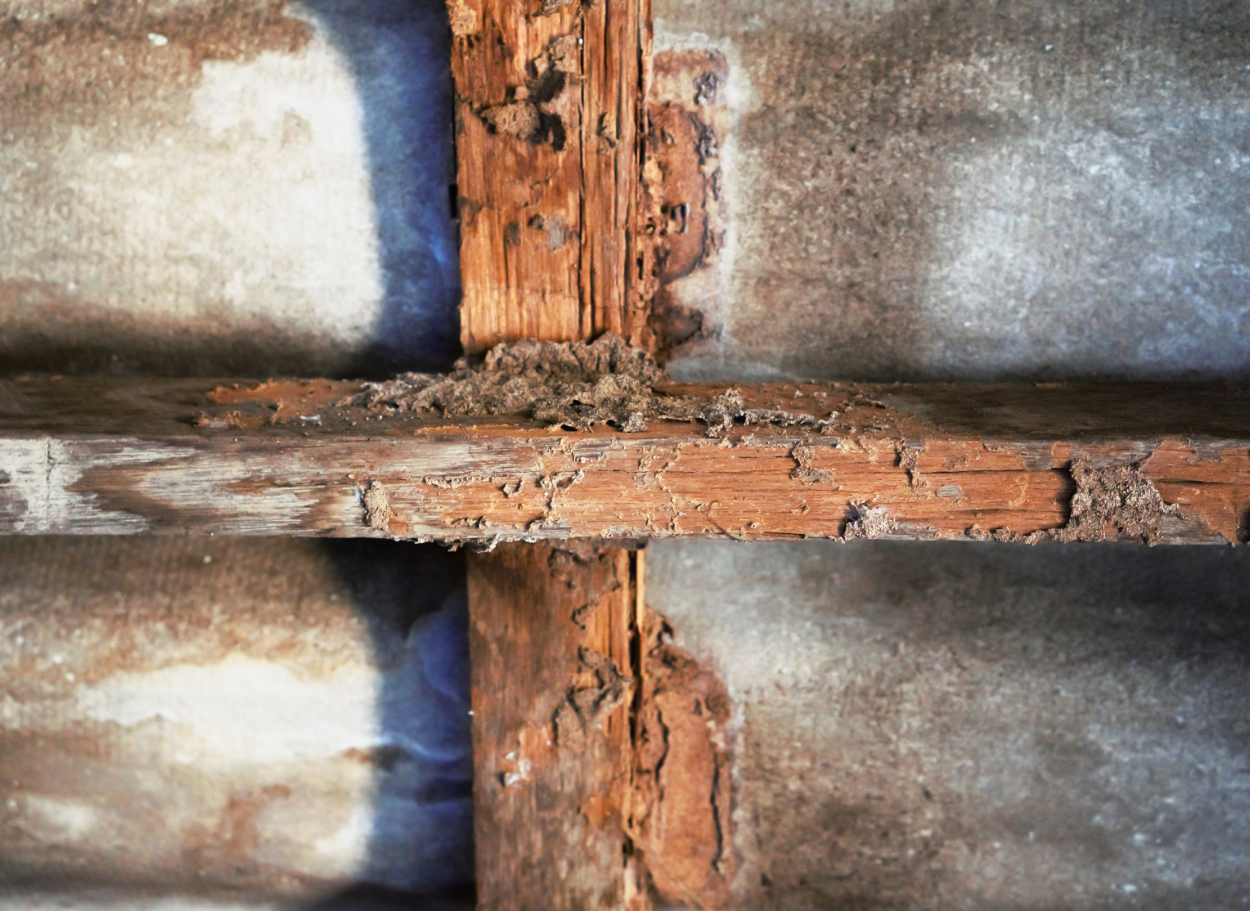

Termites rarely announce themselves. They do not scratch in the walls like rodents, leave obvious droppings like larger pests, or make their presence easy to spot from across a room. Most of the time, they work quietly behind baseboards, inside crawl spaces, beneath flooring, and along framing members that a homeowner may never see unless a renovation opens the wall. By the time visible damage appears, the colony has often had months, sometimes years, to feed.
That quiet pattern is exactly why annual inspections matter. Homeowners often think of termite treatment as something they buy once, file away, and forget. In practice, long-term protection is not a single event. It is an ongoing process of monitoring, detecting risk changes, and catching small problems before they become structural headaches. Reliable Termite Control Services understand that difference. The treatment itself is important, but the inspection schedule is what keeps that treatment meaningful over time.
A yearly inspection is less about fear and more about discipline. It is a practical maintenance step, much like servicing an HVAC system, cleaning gutters, or checking a roof after storm season. Buildings change from year to year. Soil shifts, moisture levels rise and fall, landscaping grows, plumbing develops slow leaks, and previous repair points age. Those changes can make a property more inviting to termites even if it was low risk the year before.
Why termite activity is easy to miss
The average property Termite Control Services owner spends most of their time in finished, lived-in spaces. Termites, by contrast, favor hidden pathways. Subterranean termites move from the soil into wood through cracks, joints, and concealed shelter tubes. Drywood termites can infest trim, attic framing, and furniture with little external evidence at first. In both cases, the insects are using the areas people inspect least.
I have seen homes where the only visible clue was a slightly bubbled patch of paint near a window casing. The owner assumed it was minor moisture damage. During inspection, the trim gave way under light pressure. Behind it was feeding damage that extended further than anyone in the house expected. In another case, a detached garage showed no interior signs at all, but a routine perimeter check found mud tubes climbing the slab edge behind dense shrubbery. Catching that early prevented the infestation from reaching the main structure.
This is where annual inspections earn their value. They are designed to look past obvious living areas and into the places where termites actually operate. A trained inspector is not simply glancing around for damage. They are reading patterns, moisture conditions, construction details, entry points, and evidence so subtle that an untrained eye could easily walk right past it.
A year is long enough for conditions to change
Many infestations do not start because a homeowner did something dramatically wrong. They start because ordinary wear, weather, and maintenance delays create opportunity. A small plumbing drip beneath a sink can dampen adjacent wood. Mulch piled too high against the exterior can bridge treated zones or hide termite shelter tubes. Firewood stacked against siding can become a staging point. An addition, new patio, or altered drainage pattern can change how water collects around the foundation.
These are not unusual situations. They are normal property changes. What matters is that termites respond quickly to favorable conditions. Annual inspections create a regular checkpoint, one that catches evolving risk before it turns into major damage.
That timing matters more than many people realize. Structural damage rarely happens in a single dramatic burst. It accumulates. A beam does not become compromised overnight. Flooring does not soften all at once. What starts as shallow feeding in one area can expand into multiple connected sections of framing if no one interrupts it. When inspections are done yearly, there is a much better chance of finding isolated activity while repairs are still modest and treatment is still straightforward.
Treatment without follow-up is incomplete
Some homeowners assume that once a property has been treated, they are effectively done forever. That belief is common, and it causes trouble. Treatments have service lives, environmental limitations, and maintenance requirements. Bait stations need monitoring. Liquid barrier performance can be affected by soil disturbance, construction work, drainage changes, and foundation alterations. Even excellent treatments benefit from verification.
A strong termite program is not just about installing a barrier or placing bait. It is about confirming that the protection remains intact and that termites have not found a new route. Annual visits give the service provider a chance to evaluate whether the original strategy still fits current conditions.
This is one reason experienced Termite Control Services build inspection schedules into service plans. They know the environment around a home is not static. A new flower bed, a cracked expansion joint, or an irrigation line that now leaks near the foundation can change exposure in ways that matter. The yearly inspection connects past treatment to present reality.
There is also the issue of documentation. If a property has a service agreement or warranty terms, routine inspections often help preserve those protections. Missing scheduled visits can create gaps in the record, and those gaps can complicate future claims or retreatment decisions. Even when formal warranties are not involved, a documented inspection history is useful. It shows what was found, what changed, and what recommendations were made over time.
What professionals look for during an annual termite inspection
A proper termite inspection is more methodical than many people expect. It is not limited to one room, one wall, or the most obvious trouble spots. Good inspectors move through the property with a pattern in mind, looking at both evidence of termites and the conditions that support them.
Typical inspection findings may include:
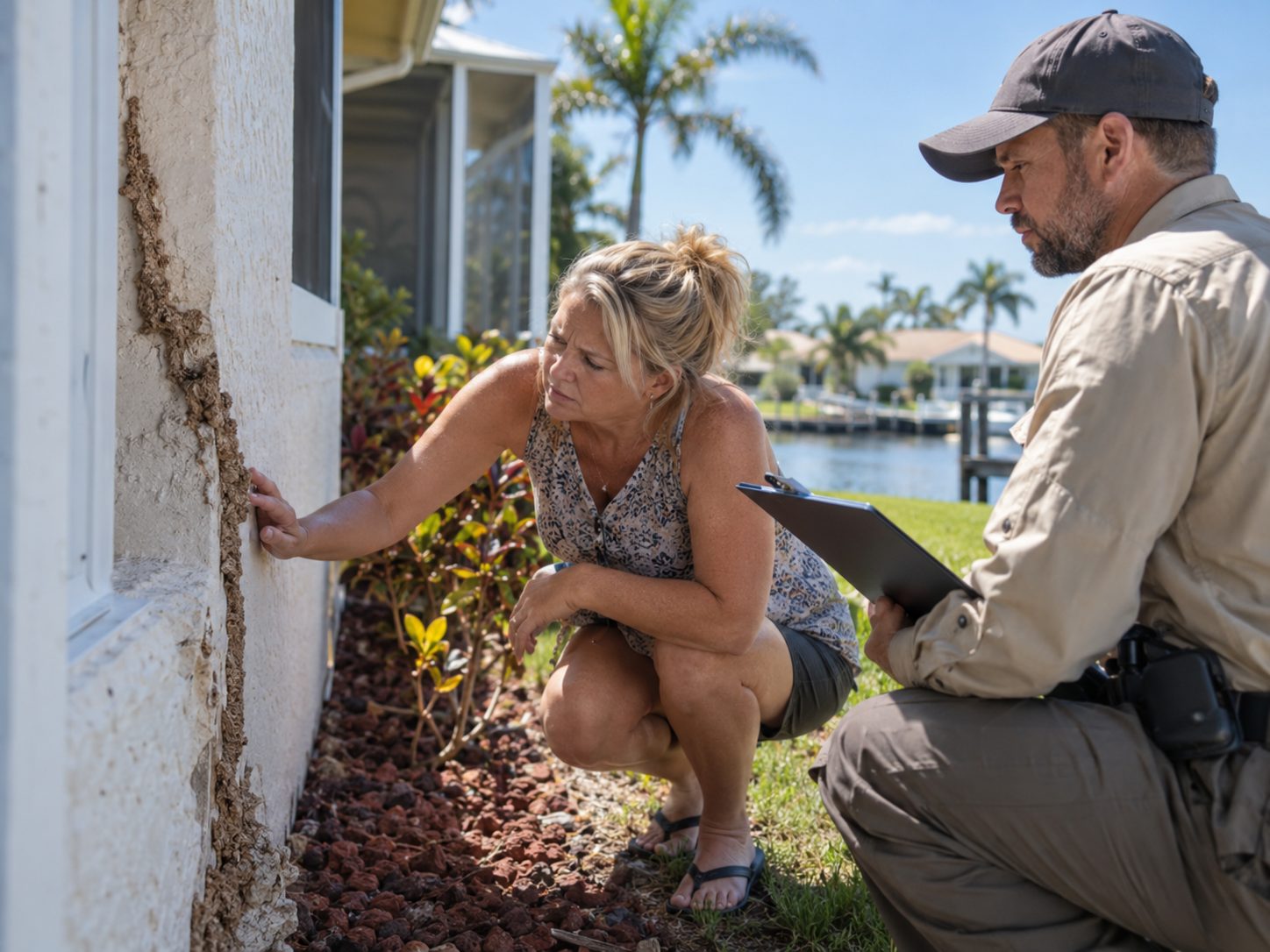
- mud tubes along foundations, piers, walls, or support posts
- damaged, hollow-sounding, or blistered wood
- excess moisture near plumbing, crawl spaces, or roof penetrations
- wood-to-soil contact around siding, steps, or structural members
- swarm evidence such as discarded wings near windowsills or doors
Each of those signs carries context. Mud tubes, for example, can indicate active subterranean termite travel, but the location tells a bigger story. Tubes near an addition may suggest a construction detail that created access. Tubes behind dense vegetation may show how exterior maintenance is hiding activity. Hollow wood might stem from termites, moisture decay, or both, and that distinction matters because the corrective plan may need to address more than pests.
A careful inspector is also noting what is not visible. If a crawl space is inaccessible, if insulation covers key framing, or if stored items block wall lines, that limitation should be discussed clearly. The best inspections are thorough, but they are also honest about what could not be fully assessed and why.
Early detection is almost always cheaper than repair
One of the strongest arguments for annual inspections is plain economics. A termite inspection fee is manageable. Structural repair bills often are not. Replacing damaged subfloor, joists, trim, wall framing, or built-in wood features can cost far more than years of regular inspections combined. The expense increases quickly when damage is discovered late, especially if contractors need to open finished surfaces, remove cabinetry, or stabilize structural elements before repair work can begin.
There is also a secondary cost that homeowners do not always factor in: disruption. Termite damage repair can interfere with daily life in ways that basic inspection never does. Floors may need to be opened. Occupants may lose use of a bathroom, kitchen area, porch, or garage. Furniture may need to be moved or stored. Cosmetic work like painting, trim matching, and flooring replacement often follows the structural repair itself. What begins as insect activity can become a multi-trade project.
I have seen owners delay inspections because they wanted to avoid a service bill, only to face repair estimates that were ten or twenty times larger than the cost of regular monitoring would have been. That pattern is common enough to be predictable. Termites reward delay only by making the problem more expensive.
Annual inspections also protect real estate value
Termite history affects more than repair budgets. It can affect sale timelines, buyer confidence, and negotiations. When a property goes on the market, evidence of current infestation or unresolved wood damage tends to raise alarms quickly. Buyers may ask for treatment, repairs, additional inspections, or credits. Lenders and insurers may have their own concerns depending on the property and the region.
A home with a documented record of professional inspections stands on firmer ground. It suggests responsible maintenance. It gives buyers and agents something concrete to review rather than a vague assurance that the house has probably been fine. In competitive markets, confidence matters. In slower markets, it matters even more.
This becomes especially important in areas with known termite pressure. In those regions, many experienced buyers assume termite risk exists until proven otherwise. They are not being overly cautious. They understand that hidden damage can alter the economics of the purchase. Annual inspection records can reduce uncertainty, and reducing uncertainty helps transactions move more smoothly.
Climate, region, and construction style all shape the risk
Not every property faces the same termite pressure. A raised home over a damp crawl space in a warm, humid region generally has a different risk profile than a house on a dry slab in a cooler climate. Older homes with decades of repairs and additions often present more access points than newer, tightly built structures. Landscaping choices, drainage, irrigation habits, and nearby tree stumps can all influence exposure.
That is another reason annual inspections should not be treated as a generic checkbox. A good provider adjusts attention based on local conditions. In some areas, subterranean termites are the primary concern, which means soil contact, foundation details, and moisture conditions deserve heavy focus. In other settings, drywood termite signs in attics, eaves, and wood trim may require closer attention.
Construction features also matter. Foam insulation, finished basements, slab penetrations, hidden expansion joints, and enclosed porches can complicate inspection access. Homes with previous remodeling sometimes contain concealed voids, abandoned plumbing routes, or patched areas that deserve an experienced eye. The more complex the structure, the more valuable a regular inspection schedule becomes.
The human factor: homeowners miss patterns professionals recognize
Most property owners are capable of spotting dramatic damage. Very few are trained to recognize subtle evidence before it becomes dramatic. That gap is not about intelligence. It is about exposure and repetition. Professionals who perform termite inspections every day develop pattern recognition that homeowners simply do not have reason to build.
For example, a small line of dried mud on a foundation wall may look insignificant. To an inspector, its height, texture, direction, and location relative to landscaping may say quite a lot. A minor blister under paint may suggest hidden galleries. A cluster of wings at one window may point to swarm behavior rather than harmless outdoor insects drawn to light. Even the smell of damp wood in a confined crawl space can influence where an inspector spends extra time.
Experience also helps with false alarms. Not every crack means termite entry. Not every soft board has insect damage. Carpenter ants, moisture rot, and age-related deterioration can mimic termite symptoms in certain areas. Accurate diagnosis matters because the wrong assumption leads to the wrong fix. Annual inspections performed by qualified Termite Control Services help avoid both complacency and overreaction.
What homeowners can do before the inspector arrives
An inspection is more effective when key areas are accessible. Homeowners do not need to prepare the house like it is being shown for sale, but a little access goes a long way.
Helpful preparation includes:
- moving stored items away from garage and basement walls where practical
- clearing crawl space or attic access points
- trimming back dense vegetation from the foundation line
- noting any recent leaks, moisture issues, or swarm sightings
- locating past treatment records if they are available
These steps do not replace professional work, but they improve visibility and save time. They also encourage a better conversation during the visit. If a homeowner mentions that a bathroom leak persisted for two months last winter, or that winged insects appeared near a patio door during spring rains, that information helps guide the inspection toward likely pressure points.
The best inspections lead to practical recommendations
An annual termite inspection should end with more than a yes-or-no answer. Even if no active termites are found, a strong service provider will often identify conditions worth correcting. That might mean lowering mulch, repairing a leaky hose bib, increasing crawl space ventilation, removing scrap lumber, sealing a gap around utility penetrations, or adjusting downspouts so water drains farther from the foundation.
These recommendations matter because termite prevention is partly about reducing invitation. A home does not need to be neglected to develop risk factors. Small maintenance issues accumulate. The annual inspection resets the standard by pointing out what should be corrected before insects take advantage.
There is judgment involved here. Not every recommendation carries equal urgency. A provider with experience should be able to explain what needs prompt attention, what can wait a little, and what is simply best practice. That kind of prioritization is useful for homeowners managing real budgets and real maintenance calendars.
When yearly may not be enough
Annual inspection is the baseline for many properties, but there are cases where more frequent monitoring makes sense. Homes with prior infestations, heavy moisture problems, extensive wood-to-soil contact, or unusually high regional termite activity may benefit from additional visits. The same is true after major construction, foundation work, drainage changes, or landscaping projects that disturb treated soil or alter access points.
For example, if a homeowner installs Termite Control Services a new patio, cuts a trench for utilities, or regrades the yard to fix drainage, the termite protection plan may need to be reviewed sooner than the next annual date. If a crawl space develops chronic dampness after a storm season, waiting many months for the next standard visit may not be wise. Good Termite Control Services do not force every property into the same timetable. They adjust based on risk, history, and changing site conditions.
Choosing a provider who takes inspections seriously
Not all inspections are equal. Some are careful, measured, and informed by local building conditions. Others are rushed and overly generic. The difference often shows up in how the provider communicates. A strong inspector explains what was checked, where visibility was limited, what evidence was found or not found, and what preventive corrections are recommended. They do not rely on vague reassurance.
It is also worth paying attention to consistency. The best long-term termite programs are built around repeat observation. Over time, a provider learns the property’s layout, past issues, treatment history, drainage trouble spots, and recurring maintenance concerns. That continuity can improve detection because subtle changes are easier to notice when someone has seen the home before.
Price matters, but inspection quality matters more. Saving a small amount on a cursory visit is poor value if important signs are missed. When a service is protecting structural components that would be expensive to replace, competence should carry more weight than a bargain headline.
Annual inspections are a form of property stewardship
Responsible ownership is rarely glamorous. It is a series of recurring decisions that prevent bigger problems later. Annual termite inspections fit squarely in that category. They are not exciting, and that is part of their strength. They turn a hidden, high-cost risk into something managed, observed, and addressed before it grows.
For homeowners, landlords, and property managers alike, the logic is straightforward. Termites are difficult to detect early without trained eyes. Conditions around a building change year by year. Treatments need confirmation and, at times, adjustment. Repairing hidden structural damage is almost always more expensive than finding activity early. Annual inspection is the practical bridge between prevention and proof.
The value of Termite Control Services is not just that they respond when termites are found. The deeper value is that they make sure long periods do not pass unnoticed while the insects work out of sight. A once-a-year inspection may seem simple, but in property care, simple habits often provide the strongest protection.
Maximum Pest Control
836 NE 7th Terrace Suite #5
Cape Coral, FL 33909
+1 239-772-7363
FAQ About Termite Control Services
What are two signs of a termite infestation?
Mud tubes along a foundation and piles of shed wings near doors or windows are two signs to investigate. Mud tubes are associated with subterranean termites. A licensed inspector can identify the insect and assess whether there is active infestation.
How many years does a termite treatment last?
There is no single timeline for all treatments. The method, site conditions, and maintenance affect how long protection lasts. Bait systems rely on monitoring and service. Ask the provider for the recommended inspection schedule and the terms of any coverage.
Is Termite Treatment Expensive in Cape Coral?
Cost depends on the termite species, the size and construction of the property, the extent of activity, and the treatment method. Request a written estimate after inspection and ask whether monitoring, follow-up visits, and renewals are included.